Built to Last: How Ausco and the AFL Are Delivering Future-Focused Community Facilities
As participation in Australian Rules Football continues to grow, particularly among women and girls where there has been an 89% increase in participation. With this growth, communities need sporting facilities that are inclusive, durable and designed for long-term use. Through its ongoing partnership with the AFL and projects such as the RMIT Women’s Football Academy, Ausco Modular has demonstrated how modular construction can deliver high-quality facilities that enhance the experience for players, clubs and facility managers while standing the test of time.
Durability Proven Over Time
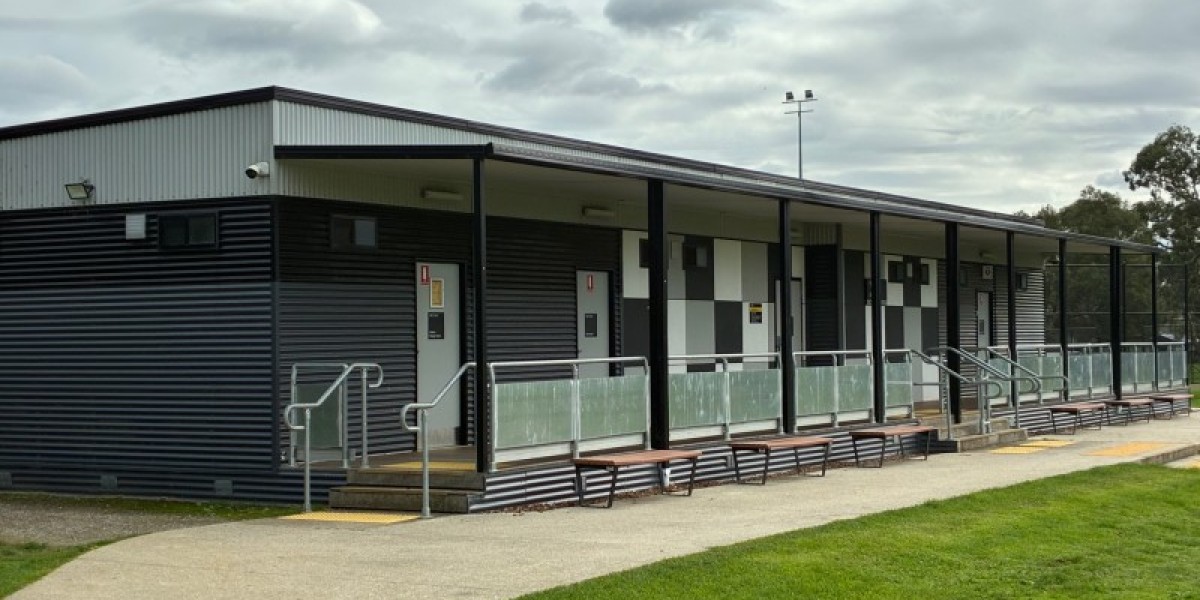
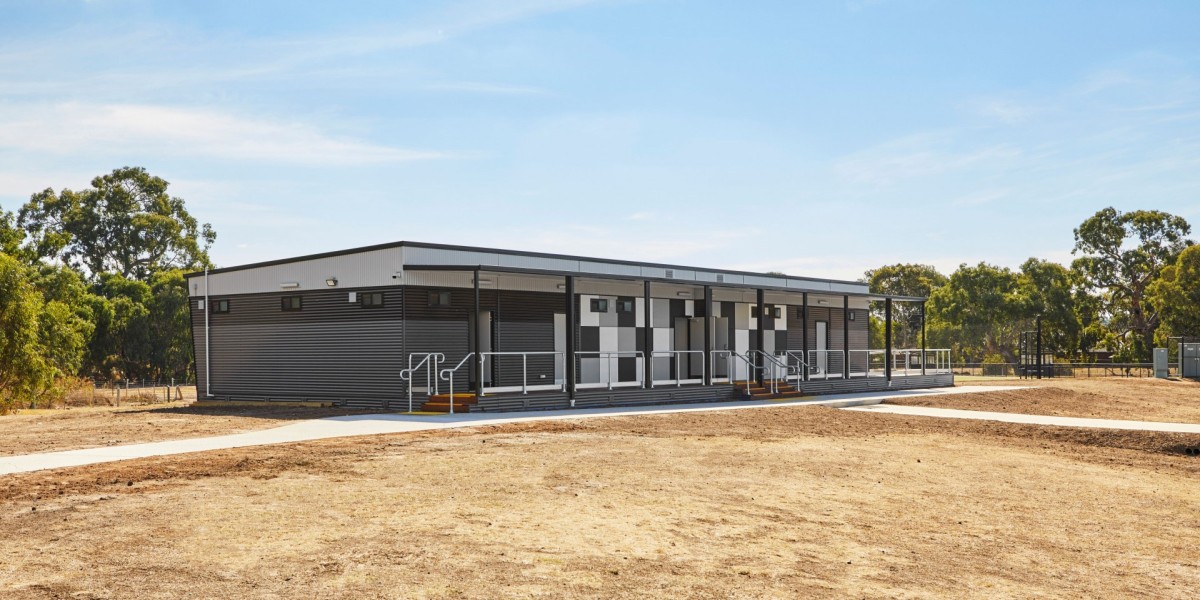
While modular construction is often associated with temporary solutions, the experience at RMIT University tells a different story. Installed in 2018 to support the university's growing women's football program, the Ausco facility has now been operating for more than seven years and continues to perform exceptionally well under heavy use.
According to Robert Lazerotti, Senior Sports Coordinator at RMIT University, durability has been one of the project's most impressive outcomes.
"The best thing has been overall the modular building has been problem free. Flooring, walls, cabinets, tapware, everything's just been so durable... I've been really, really pleasantly surprised over the seven or eight years how durable the facilities have been."
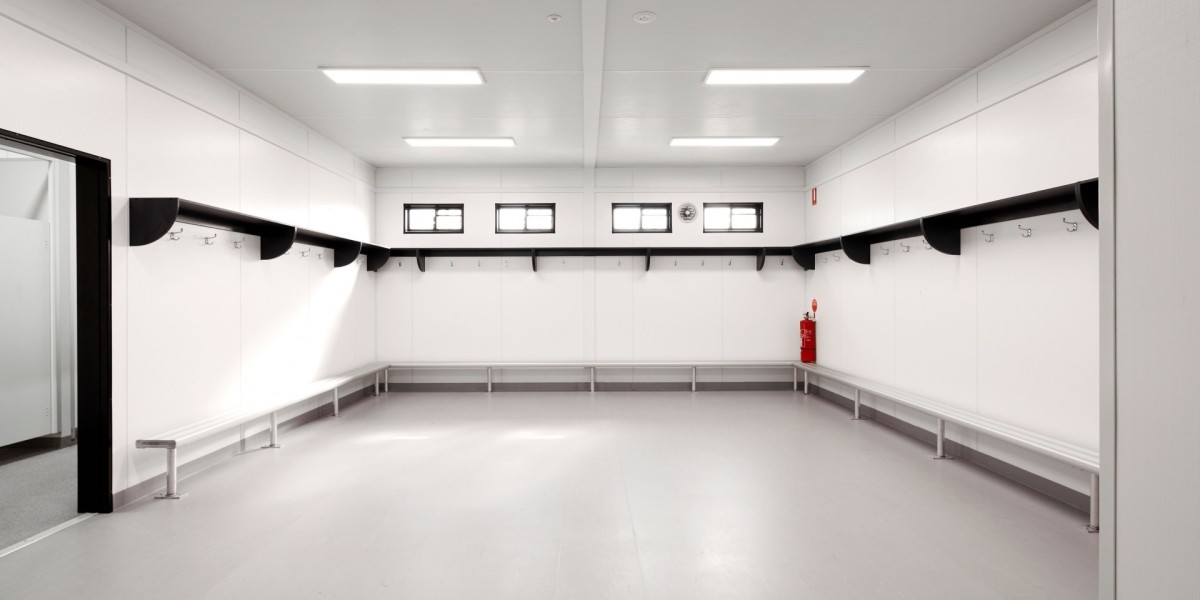
Lazerotti noted that despite high usage from multiple sporting codes and user groups, the facilities have required minimal maintenance, with no need for significant repairs, repainting or prolonged shutdowns. The buildings continue to present as near-new, demonstrating that modular facilities can provide the longevity and resilience sporting organisations need.
Fit-for-Purpose Design That Enhances the Player Experience
Ausco's success stems from more than construction efficiency. Its facilities are designed around the needs of modern sporting communities.
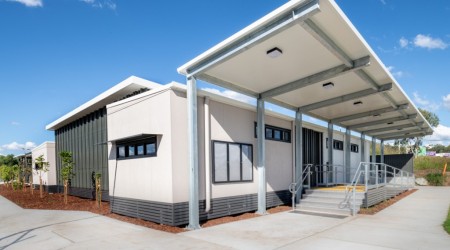
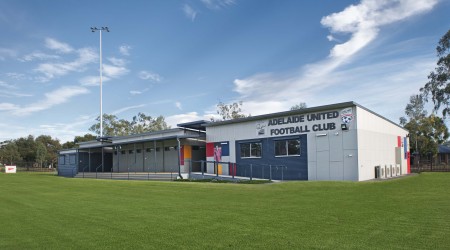
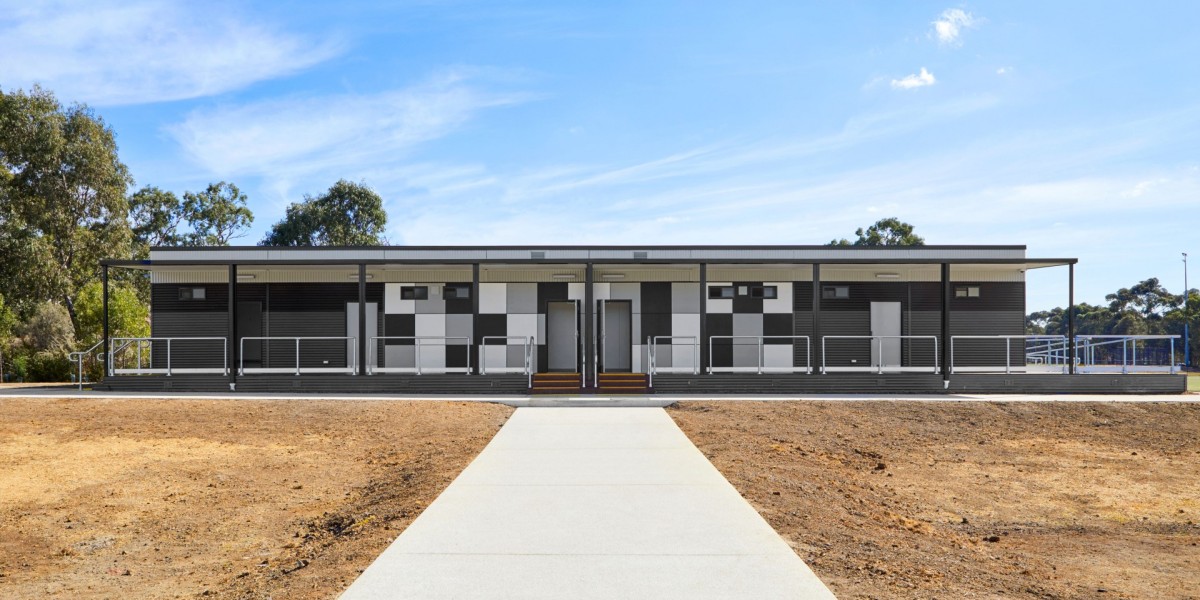
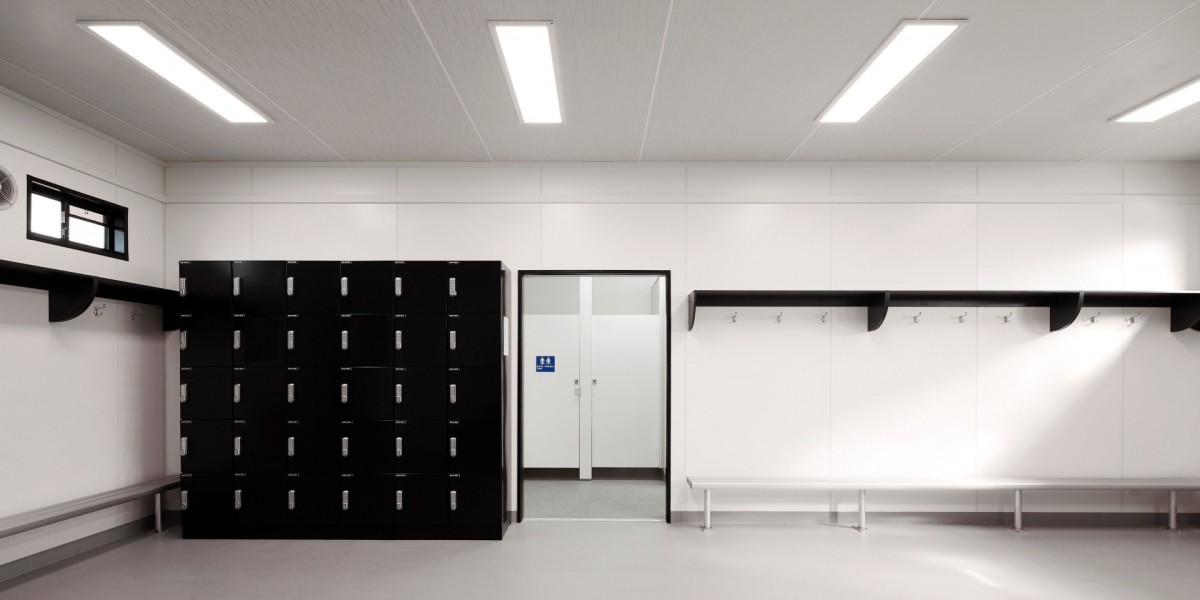
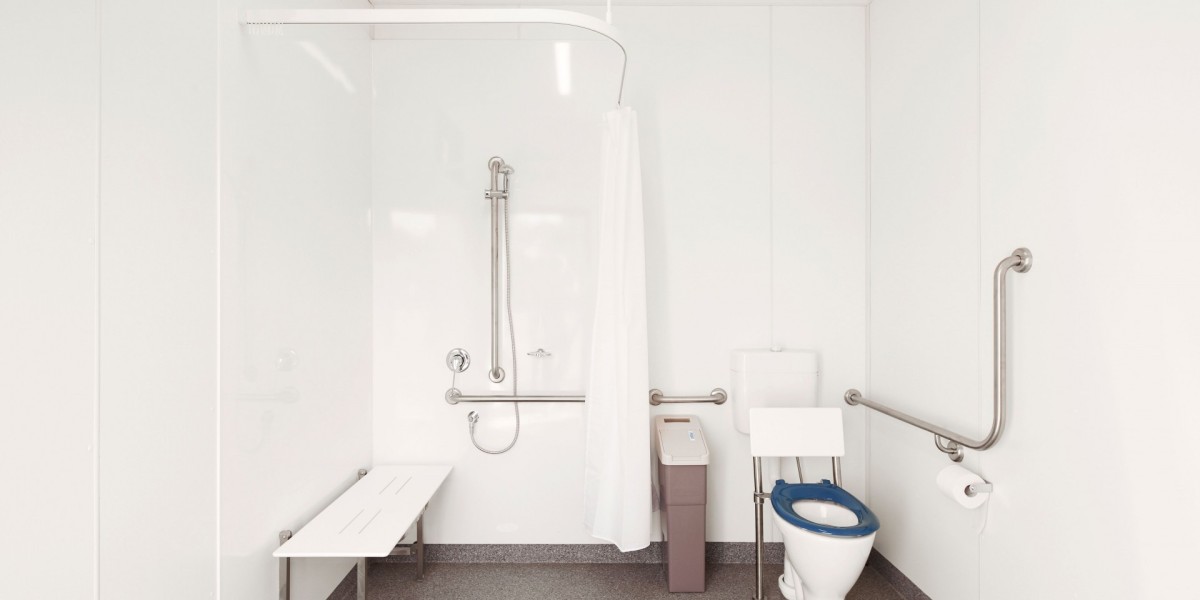
The RMIT Women's Football Academy project included two compliant unisex changerooms, private shower cubicles, medical rooms, an AFL-standard umpires' facility, public amenities, storage areas and the university's first gender-neutral toilet in a sporting facility. Digital lockers were also incorporated to improve convenience and security for players and coaching staff.
These design elements help create welcoming, inclusive environments that support participation and athlete development. The facilities were developed in response to the rapid growth of women's football and provided RMIT with the infrastructure needed to launch and expand its high-performance program.
As the AFL's Preferred Modular Facilities Provider, Ausco has applied the same philosophy across its sporting facility designs, creating infrastructure that aligns with AFL community facility guidelines and supports a diverse range of users.
For organisations considering future infrastructure investments, Lazerotti's conclusion is simple:
"You need to bring modular into your consideration... it's certainly worked well for us. Any other university would be really wise to investigate modular as an option for themselves."
His experience reinforces a powerful message: when designed correctly and built to a high standard, modular facilities are not a temporary solution. They are a durable, flexible and future-ready investment in the growth of Australian sport.
Delivering Flexibility for Facility Managers
For facility managers, one of modular construction's greatest advantages is flexibility.
At RMIT, Ausco's solution enabled the university to fast-track its football program without waiting years for a traditional building project. Rather than pursuing a permanent facility with a construction timeframe of around two years, RMIT selected a modular solution that could be delivered much sooner while still meeting the requirements of players and administrators.
The flexibility of modular construction also aligned with the university's long-term master planning goals. As sporting facilities evolve, the ability to relocate infrastructure and repurpose assets provides significant value compared with fixed-site buildings.
Reflecting on the decision, Lazerotti said:
"One of our decisions was let's go with Ausco and the modular and prefabricated units which allows us to get in two years ahead... That just gave us flexibility and options going forward."
This adaptability has become even more valuable as RMIT explores potential future sporting developments and considers a second Ausco installation within its sports precinct.
An Enduring Partnership Supporting Community Football
Ausco's long-standing relationship with the AFL is built on a shared commitment to growing the game and delivering facilities that serve communities for the long term. As the AFL's Preferred Modular Facilities Provider, Ausco has collaborated with the organisation to develop facility designs that are welcoming, inclusive, sustainable and fit for purpose.
The partnership helps clubs access high-quality infrastructure more quickly while minimising disruption to playing seasons. Modules are manufactured off-site and delivered approximately 90% complete, reducing construction timeframes and allowing facilities to become operational far sooner than traditional builds.
The RMIT Women’s Football Academy demonstrates the value of this approach. More than seven years after installation, the facility continues to support players, coaches and administrators while maintaining the quality and functionality expected from a modern sporting venue.
Watch the RMIT 2026 site tour
Henson Park AFLW modular changerooms
Ausco supports Australian women in sport