Whether you are looking to hire or purchase, Ausco has the solutions for your working space.
Frequently Asked Questions: About modular
Modular building is a method of design and construction which produces uniform, multipurpose buildings which can easily be installed and removed to produce a temporary space. Without the need for permanent foundations, the modular concept also inherently lends itself to scaling up and down as the demand for space changes. If you are considering hiring buildings for a project, to supplement your workspaces or classrooms, then Ausco Modular has a flexible solution for you.
No. Many of the same materials, fixtures and fittings that are used in traditional construction are also used in modular construction. We use a range of leading brands in the construction of our buildings and are proud of the quality of our buildings.
Modular buildings can be temporary, permanent, or a combination of both, depending on how they are designed, installed, and used. Ausco Modular delivers solutions across all three scenarios, allowing buildings to support short-term projects, long-term operations, or evolving needs over time.
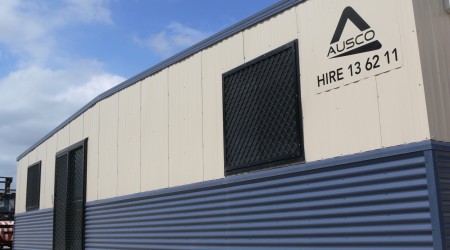
Temporary (hire) modular buildings are compliant to the NCC at the year of build and designed for short-term or project-based use and are available across all Australian states. They are commonly hired by industries such as construction, mining, education, government, and technical services.
Typical hire buildings include:
Hire periods are flexible and can be adjusted to suit changing project timelines and operational requirements.
Permanent modular buildings are designed and manufactured as long-term structures and are built to meet the requirements of the National Construction Code (NCC). They are used across a wide range of sectors, supporting durable and compliant building outcomes.
These buildings are commonly delivered for:
- Education and sporting facilities
- Primary healthcare facilities
- Regional and remote communities
- Remote worker accommodation
- Renewable energy generation facilities
Permanent modular buildings are designed to offer the same durability, performance, and lifespan expectations as traditionally constructed buildings.
Many modular buildings, particularly Ausco Modular’s temporary hire buildings, are designed to be relocated, expanded, or reconfigured as needs change. Permanent modular buildings can also be moved, although this requires planning around service connections such as power, water, and sewerage. This modular approach allows buildings to adapt over time, rather than being locked into a single location or use.
Yes. Ausco Modular buildings are designed and delivered to meet relevant Australian building codes and standards, with compliance requirements assessed based on the building’s location, use, and duration.
All Ausco Modular buildings are designed in accordance with the National Construction Code (NCC).
Depending on where the building is installed, additional standards and local council regulations may apply. This can include Bushfire Attack Level (BAL) requirements, cyclonic wind ratings, and energy efficiency considerations. These compliance needs are addressed across both hire buildings and permanent modular installations.
Ausco has extensive experience delivering compliant modular buildings for government, health, mining and education sectors, including projects in remote and regional locations such as Groote Eylandt, Windorah, and Broome.
This experience helps ensure buildings meet the required standards while navigating local regulations, site conditions, and approval processes.
Modular building uses state of the art, purpose-built factories to complete much of the construction task in a production line environment. Skilled tradespeople work as a team to deliver a high quality, reliable and consistent building, that is then transported to site and assembled. Assembly on-site is a relatively quick and easy process, as the building is completed and any services (eg electricity, water & the like) are connected and tested.
With much of the building work taking place off-site in purpose-built factories, delays due to adverse weather are all but eliminated. Also, time spent on-site is significantly reduced. Depending on the complexity of the site and design, the on-site time could be as little as 3-5 days!
It really depends on the complexity of the design and the site. What we can say with confidence, however, is that choosing to build with a modular construction company will save you time, meaning you can get in and start using your building sooner!
The time it takes to install a modular building depends on whether it is a temporary hire solution or a permanent installation and the project scope, as well as the site location, number of modules, and overall project complexity.
In most cases, the on-site installation of modular buildings is fast, with modules typically installed in days.
For temporary hire modular buildings:
- Sites with fewer than 5 modules can often be installed in a single day
- Sites with 5 to 10 modules typically take 2–3 days
- Larger or more complex setups may take two weeks or more, particularly where services (power, water, sewerage) and access infrastructure such as steps, walkways, and landings are required
Delivery lead times vary depending on location, and availability and logistics are assessed as part of the planning process.
For permanent modular buildings, timeframes generally include three stages:
- Design: Selecting from Ausco’s existing designs, such as offices, classrooms, primary healthcare facilities, social and government housing, or remote workers’ accommodation, can help shorten this stage. Custom designs may take longer.
- Manufacture: Once the design is finalised, manufacturing typically takes around 12–16 weeks, depending on production schedules and project requirements.
- Installation: Modules are installed on site in a matter of days, with additional time required before and after installation for site preparation, internal fit-out, and connection to local infrastructure such as power, water, and sewerage.
Timelines vary depending on the project scope and site requirements. Your local Ausco Modular service centre can provide guidance based on your location and intended use.
The cost of an Ausco Modular building in Australia depends on whether you choose to hire or purchase, as well as the location, number of modules, and overall complexity of the build.
For modular building hire, pricing is influenced by factors such as the hire duration, the size and configuration of the modules, transport and installation requirements, and any compliance considerations.
For purchased modular buildings, costs vary based on the design, class of building, including the number of modules required, internal fit-out specifications, site conditions, transportation, and installation logistics.
Location also plays an important role. For example, modular buildings installed in northern Australia may require Cyclonic wind classifications, while buildings in other regions may need to meet Bushfire Attack Level (BAL) requirements. These compliance needs apply to both temporary hire buildings and permanent modular installations, and can impact overall cost.
Because every project is different, the most accurate way to understand pricing is to speak directly with Ausco. Your local Ausco Modular service centre can help assess your requirements and provide guidance based on your location, timeframe, and intended use.
There are very few design restrictions with modular. Each module is built on a steel chassis that allows us great flexibility with design. We can add details like angled or curved walls, pitched roofs and, where needed, we’re able to build up as well as out! Need a lift? No problem!
Ausco Modular buildings are used across a wide range of industries in Australia, supporting both temporary and permanent needs. They are commonly selected where speed, flexibility, compliance, and access to location are critical.
Ausco Modular has a long history of supplying modular buildings for public, commercial, and community infrastructure, with solutions tailored to specific industry requirements.
Common uses for modular buildings include:
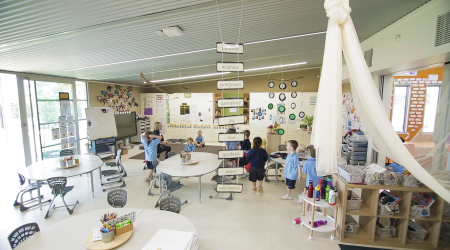
- Schools and training facilities
- Primary healthcare facilities
- Social and government housing
- Remote workers’ accommodation
- Modular changerooms
- Local and regional councils
Ausco Modular is also the preferred modular supplier for the AFL, delivering facilities that meet the operational and compliance requirements of elite sport.
Modular buildings are widely used in regional and remote Australia, where traditional construction can be challenging. Ausco has delivered projects in locations such as Groote Eylandt, Windorah, and Broome, supporting essential services in hard-to-reach communities.
Depending on where your building(s) are going (and in some cases the length of time the buildings will be there), you’ll likely need a Development Approval (DA) from your local regulatory authority. Our project managers may be able to help you through this process.
Part of the Circular Economy
Life after life
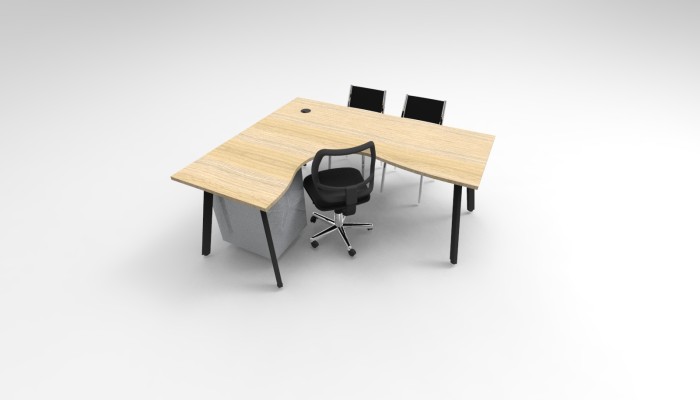
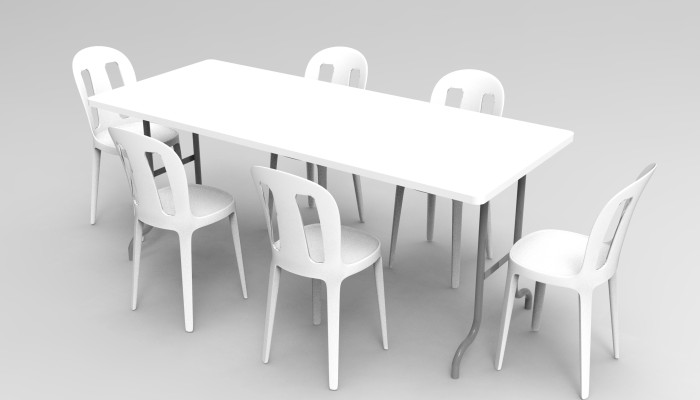
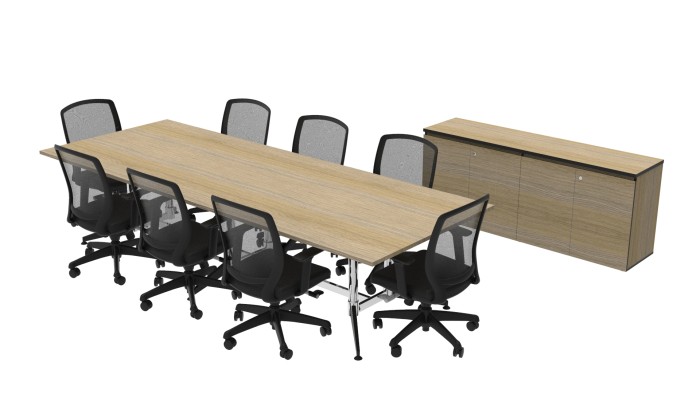
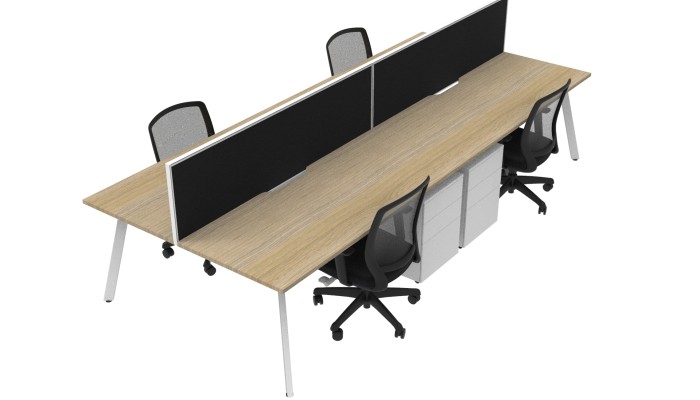
At Ausco Modular we work hard to maximise the useful life of our buildings and products. We operate in the circular economy and our customers do too. Hire buildings can have many incarnations over their 20 year lifespan and now we offer a similar solution for our furnishings. If you need to dispose of your 360° Solutions Furniture packs, simply contact Ausco Modular, as we have a solution which will see charities and others give them a new life.
Sustainability at Ausco
Ausco Modular is committed to providing the very best modular building solutions without compromising the environment, society, our team or the communities in which we work.